
Office: 508-541-9159
Mobile: 617-710-2239
Exterior Remodeling West Roxbury: Stop Hidden Rot
Hidden rot is the most expensive surprise in West Roxbury home improvement. Behind the peeling paint on countless Colonials and Capes across this neighborhood, water damage quietly destroys the framing, sheathing, and sill plates that hold your home together.
Tom Brady Carpentry has worked on enough older West Roxbury homes to know that what looks like a simple repaint or siding refresh can reveal something far more serious beneath the surface. Understanding this reality before you start a project can save you thousands of dollars and months of headaches.
Why West Roxbury Homes Are Especially Vulnerable
The housing stock here tells the story. West Roxbury is dense with classic Colonials, Capes, and craftsman bungalows built between the 1920s and 1940s. These homes were constructed with old-growth wood, which is durable but not immortal. After eight decades of New England winters, spring thaws, and humid summers, the original wood clapboards on many of these exteriors have quietly failed.
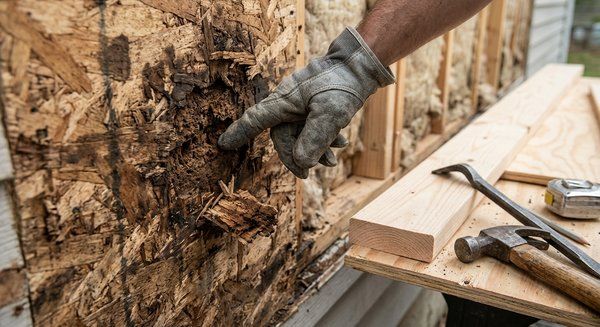
The problem is not always obvious. Paint peels first. That is the warning sign most homeowners notice. But underneath the paint, moisture has often been working its way inward for years. By the time visible rot appears on the surface, the damage behind the wall has usually already spread.
What "Hidden Rot" Actually Means
Hidden rot refers to wood decay that occurs inside the building envelope, out of plain sight.
Here is how it typically develops on a West Roxbury home:
- A small gap opens in painted wood clapboard siding, often at a joint or around a window frame.
- Water enters the gap during rain or snowmelt and saturates the wood sheathing behind the siding.
- The sheathing stays wet for extended periods because the old siding traps moisture against it.
- Over months and years, the sheathing, the structural framing, and even the sill plate begin to decay.
- The surface of the home still looks intact, but the interior structure is compromised.
This cycle repeats every season. Each Boston winter accelerates the damage. By spring, more water intrusion follows.
The Real Cost of Skipping a Proper Assessment
Many homeowners approach exterior remodeling as purely cosmetic work. They hire someone to scrape, prime, and repaint. The problem is that paint alone cannot seal rotted wood or repair compromised framing. It simply conceals the damage for another season or two.
When rot reaches the structural framing or sill plates, the project scope changes dramatically. Repairs become far more involved. The cost climbs. The timeline stretches. Addressing it proactively during a planned exterior remodeling project is always less expensive than discovering it mid-project. Finding it during a home inspection before a sale is even worse.
What a Skilled Carpenter Looks for Before Starting
Exterior remodeling in West Roxbury done correctly starts with a thorough assessment. A skilled carpenter evaluates more than the surface.
The inspection should cover:
- The condition of wood siding, trim, and fascia boards for soft spots or discoloration
- The integrity of window and door framing, especially on the north and west exposures
- The state of caulking and flashing at every penetration point
- Any evidence of moisture staining on interior walls near window sills
- The condition of sill plates at the base of exterior walls
This is not a checklist that a general painter completes. It requires hands-on carpentry knowledge and experience with how older homes in this climate behave.
Exterior Remodeling West Roxbury: The Right Sequence
Doing the work in the correct order is critical. A proper exterior remodeling project on an older West Roxbury home follows this general sequence:
First, remove the failing siding carefully to expose the sheathing. Second, assess and repair all structural damage to framing and sheathing before anything else goes on. Third, install a proper weather-resistant barrier and flashing system to protect the building envelope going forward. Fourth, install new, weather-resistant siding or trim materials. Fifth, complete the finishing work, including painting and caulking all joints.
Skipping or rushing step two is where projects go wrong. Modern siding materials perform beautifully when installed over a sound, dry substrate. They fail prematurely when installed over hidden damage.
Door and Window Replacement: The Hidden Rot Connection
Window and door openings are the most common entry points for water in older homes. The original wood windows in many West Roxbury Colonials were single-pane units with wood frames that have been fighting moisture for decades. When those frames fail, water tracks directly into the wall cavity.
Replacing windows or exterior doors on a 1920s or 1930s home is rarely a simple swap. A skilled carpenter will often find rot in the surrounding framing and rough opening. That damage must be repaired before the new unit can be properly flashed and installed. Skipping that repair step leads to new windows that leak within a few seasons.
The good news is that 2026 brings real financial incentives for this work. The federal Energy Efficient Home Improvement Credit (Section 25C) offers up to $1,200 annually for energy-efficient exterior doors and windows. Locally, the Mass Save HEAT Loan program offers 0% interest financing, and the Boston HomeWorks Green Loan Program provides additional options. Bundling a proper carpentry repair with a window replacement lets you access these programs while fixing the underlying problem at the same time.
Frequently Asked Questions
How do I know if my West Roxbury home has hidden rot behind the siding?
Common signs include soft or spongy spots when you press on painted wood siding, paint that peels repeatedly in the same location, interior moisture staining near window sills, and visible mold or mildew near the base of exterior walls.
Can I just paint over peeling siding to fix the problem?
Painting over failing siding delays the inevitable. It does not repair water-damaged sheathing or framing beneath the surface. The underlying damage will continue to worsen until a proper carpentry repair is performed.
Is exterior remodeling in West Roxbury more complicated than in newer neighborhoods?
Yes, generally. Homes built in the 1920s through 1940s require more careful assessment and often more structural carpentry work before new materials can be installed correctly. The age of the construction means hidden issues are more likely.
What is the best siding material to replace old wood clapboards in New England?
Fiber cement siding is a popular choice in the Boston area because it resists moisture, does not rot, and holds paint well through harsh winters. Engineered wood siding is another option that mimics the look of traditional clapboards with improved durability.
Will my homeowner's insurance cover rot damage discovered during a remodel?
Generally, no. Most policies exclude damage from long-term moisture intrusion because it is considered gradual deterioration rather than a sudden event. This is another reason to address exterior issues proactively rather than waiting for damage to worsen.
Ready to protect your home before the next New England winter creates more damage? Reach out to Tom Brady Carpentry to schedule an exterior assessment and talk through your project with an experienced local carpenter.